Why Is My Faucet Leaking?
- Dima Kulbach
- Mar 5
- 4 min read

Updated: Mar 16
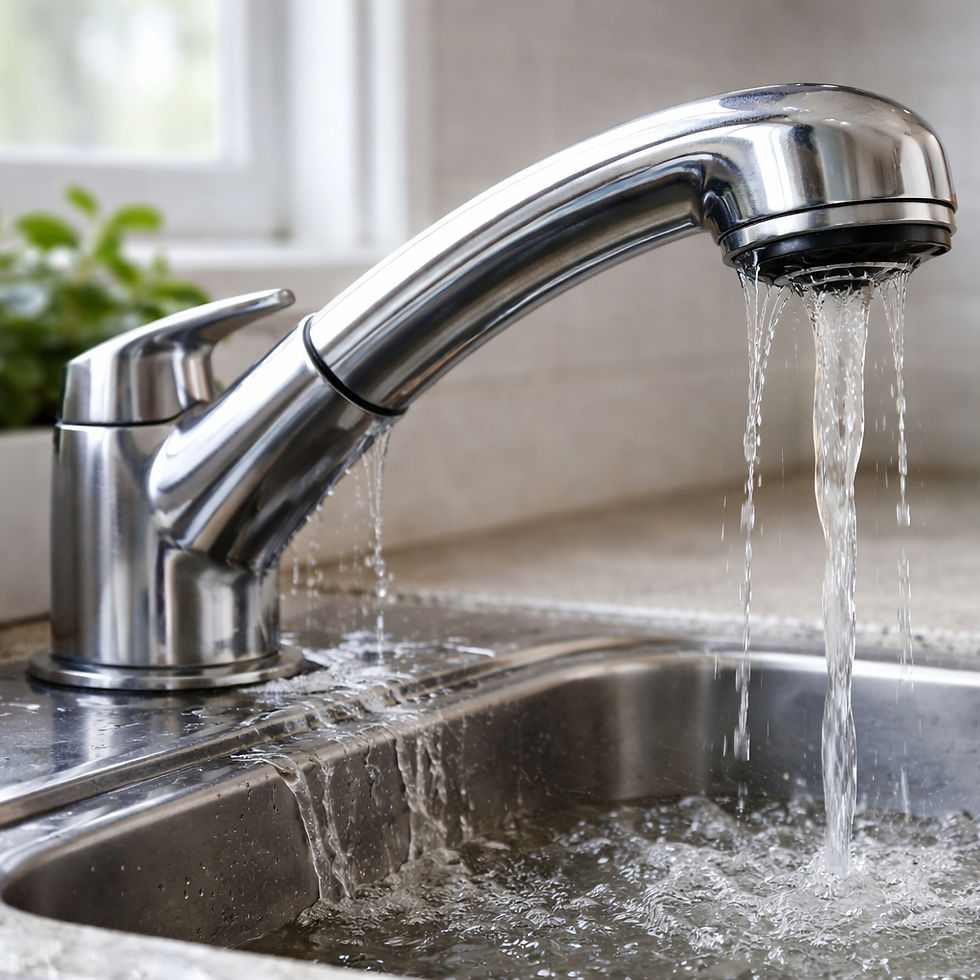
A leaking faucet might seem like a small problem, but it can quickly turn into wasted water, higher utility bills, and long-term damage to fixtures and cabinets. Many homeowners notice a drip and ignore it for weeks or even months, thinking it is just normal wear.
The truth is that a faucet leak almost always means something inside the fixture is worn out or loose. In most cases, the problem is easy to fix if you catch it early. If the leak continues, however, the damage can spread to the sink, countertop, or plumbing connections underneath.
This guide explains the most common reasons faucets start leaking, how to check the problem, and when it is better to call plumbing services or a professional plumbing repair service.
The Most Common Reasons Faucets Start Leaking
Most faucet leaks come from a few predictable causes. Once you understand these, it becomes easier to diagnose the problem.
Worn Out Washers or O-Rings
Inside many faucets there are small rubber components that create a seal when the water is turned off. Over time these washers and O-rings wear down due to constant friction and water pressure.
When the seal fails, water continues to drip through the faucet even when the handle is fully closed. This is one of the most common issues handled during plumbing repair or routine plumbing repairs.
Damaged Cartridge or Valve
Modern faucets often use a cartridge system that controls water flow and temperature. When the cartridge wears out or becomes damaged, water may leak from the spout or around the handle.
Replacing the cartridge is a common fix during plumbing repair services, especially in bathroom or kitchen faucets that get heavy daily use.
Loose Parts
Sometimes the issue is not a worn component but a loose connection. Faucet handles, packing nuts, or internal fittings can loosen over time.
A simple tightening or adjustment may solve the issue. However, if the leak continues, a professional plumbing repair service near me may be needed to check deeper parts of the faucet.
Where the Faucet Is Leaking Matters
The location of the leak helps identify the problem.
Leak From the Spout
A steady drip from the spout usually indicates worn washers, seals, or a faulty cartridge. This is one of the most common issues addressed by local plumbing repair professionals.
Leak Around the Handle
If water leaks near the handle when the faucet is turned on, the problem is usually an O-ring or packing nut that has worn out or loosened.
This type of issue often appears in older faucets and is commonly repaired during bathroom plumbing services.
Leak Under the Sink
If you notice water under the cabinet, the leak may come from supply lines, shutoff valves, or drain connections. These leaks can cause serious cabinet damage if ignored.
In these situations, homeowners often contact plumbing repair services near me to locate and repair the source quickly.
Kitchen vs Bathroom Faucet Leaks
The type of faucet and how often it is used can affect why leaks occur.
Kitchen Faucets
Kitchen faucets handle heavy daily use. Cooking, cleaning, and dishwashing all put pressure on the faucet’s internal components.
Leaks here are commonly handled through kitchen plumbing services, especially when cartridges or sprayer hoses need replacement.
Bathroom Faucets
Bathroom faucets usually experience lighter use but can still develop leaks over time due to mineral buildup or worn seals.
Many homeowners schedule residential plumbing services when multiple bathroom fixtures start leaking or losing pressure.
When a Faucet Leak Needs Professional Repair
Some faucet problems are simple DIY fixes, but others require professional help.
You should consider calling plumbing repair services if:
• The leak continues after replacing washers or cartridges• Water leaks from multiple locations• The faucet base or pipes under the sink are leaking• The leak has already caused cabinet or countertop damage
A professional technician can inspect the fixture and perform proper repair plumbing work before the problem spreads further.
Many homeowners search for plumbing repair near me when they want a fast diagnosis and reliable fix.
Quick Checklist: What to Check Before Calling a Plumber
Before scheduling service, check these common causes:
• Is the faucet handle fully tightened?• Are there visible leaks around the handle?• Is water dripping from the spout constantly?• Are supply lines under the sink loose?• Is the leak coming from the base of the faucet?
If the issue continues after basic checks, a professional plumbing repair service can determine the exact cause and complete the necessary repair.
Frequently Asked Questions
Why does my faucet drip even when it is turned off?
This usually means the internal washer or cartridge is worn out and no longer sealing properly.
Can a leaking faucet increase my water bill?
Yes. Even a slow drip can waste hundreds of gallons of water over time.
Is it better to repair or replace a faucet?
Minor leaks are usually fixed with plumbing repairs, but older or heavily damaged faucets may need replacement.
How long does faucet repair take?
Most faucet repairs can be completed within an hour by experienced plumbing repair services.
When should I call a plumber?
If the leak continues after basic troubleshooting or if the leak involves pipes or valves under the sink, contacting plumbing repair services near me is usually the safest option.
Need Help Fixing a Leaking Faucet?
A leaking faucet may start as a small drip, but it can lead to bigger plumbing issues if ignored. Whether the problem is a worn cartridge, damaged seals, or leaking supply lines, professional plumbing services can quickly identify the cause and complete the repair.
If you are looking for reliable plumbing repair services near me, working with a qualified professional ensures the leak is fixed correctly and your faucet continues working properly.


Comments